
Cellular vs. Pleated Shades: What’s the Difference?
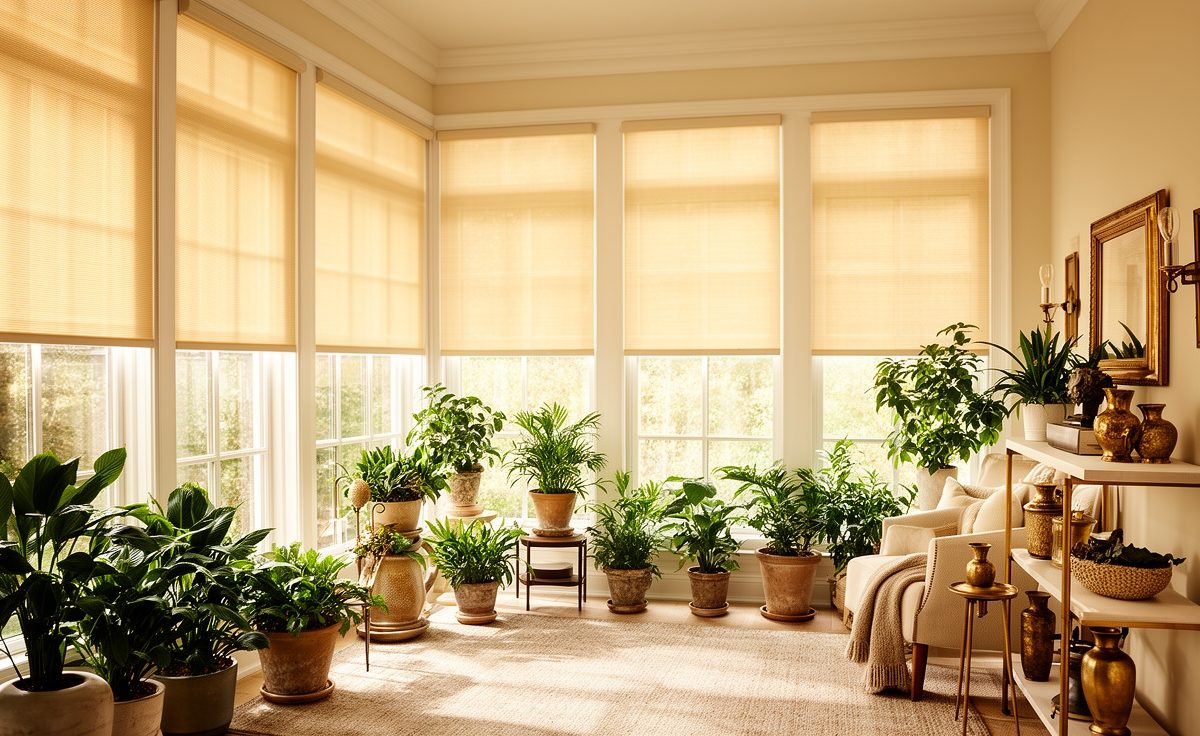
Cellular and pleated shades look almost identical at a glance, both are crisp, folded fabric shades, but they perform very differently. The difference is in the structure, and it matters a lot in the Houston heat. Here is how they compare and which is the better buy.
Cellular vs. pleated shades
| Feature | Cellular (honeycomb) | Pleated |
|---|---|---|
| Structure | Two layers, air-filled cells | Single folded layer |
| Insulation | Excellent | Minimal |
| Energy savings | High | Low |
| Cost | Modest premium | Slightly lower |
| Best for | Sun-facing windows, bedrooms | Budget, low-priority windows |
The key difference: the honeycomb
A pleated shade is a single layer of fabric folded into neat pleats. A cellular shade takes two layers and joins them to form honeycomb-shaped cells that trap a pocket of air. That trapped air is the whole story, it turns the shade into an insulator, which a flat pleated shade cannot do. Same crisp look, very different performance.
Energy efficiency
This is where cellular wins decisively. The air trapped in the honeycomb cells insulates the window, blocking heat gain in summer and heat loss on cold nights. In Houston’s long cooling season, that insulation lowers your bills and keeps rooms more comfortable. Pleated shades, with no air pocket, offer far less energy benefit.
Look, options, and cost
Both give a clean, contemporary folded look in many colors and opacities from sheer to blackout. Pleated shades usually cost a little less up front, while cellular shades carry a modest premium for their energy performance, with double-cell versions offering even more insulation at the top. Over years of Houston cooling bills, the cellular premium often pays back.
Which to choose
For almost any Houston home, cellular shades are the better buy, the energy savings and comfort justify the small premium, especially on sun-facing windows. Pleated shades can make sense for a tight budget or a low-priority window where insulation does not matter. When in doubt, cellular is the smarter long-term choice here.
Compare them side by side
At your free estimate we bring both so you can see the honeycomb structure and feel the difference, and we will point out which windows benefit most from cellular insulation, with free installation. Call or text (832) 772-7137.
Ready for a free in-home estimate?
We’ll measure, recommend the right options for your home, and give you an honest quote, with free installation included. Already know your sizes? Order online and we’ll send a free quote within 24 to 48 hours.
 How Much Do Blinds, Shutters & Shades Cost in Houston? (2026 Guide)
 Blinds vs. Shades vs. Shutters: Which Is Right for Your Home?
 Child-Safe & Cordless Window Coverings: What Parents Need to Know