Blinds That Are Easy to Clean (and Best for Allergies)

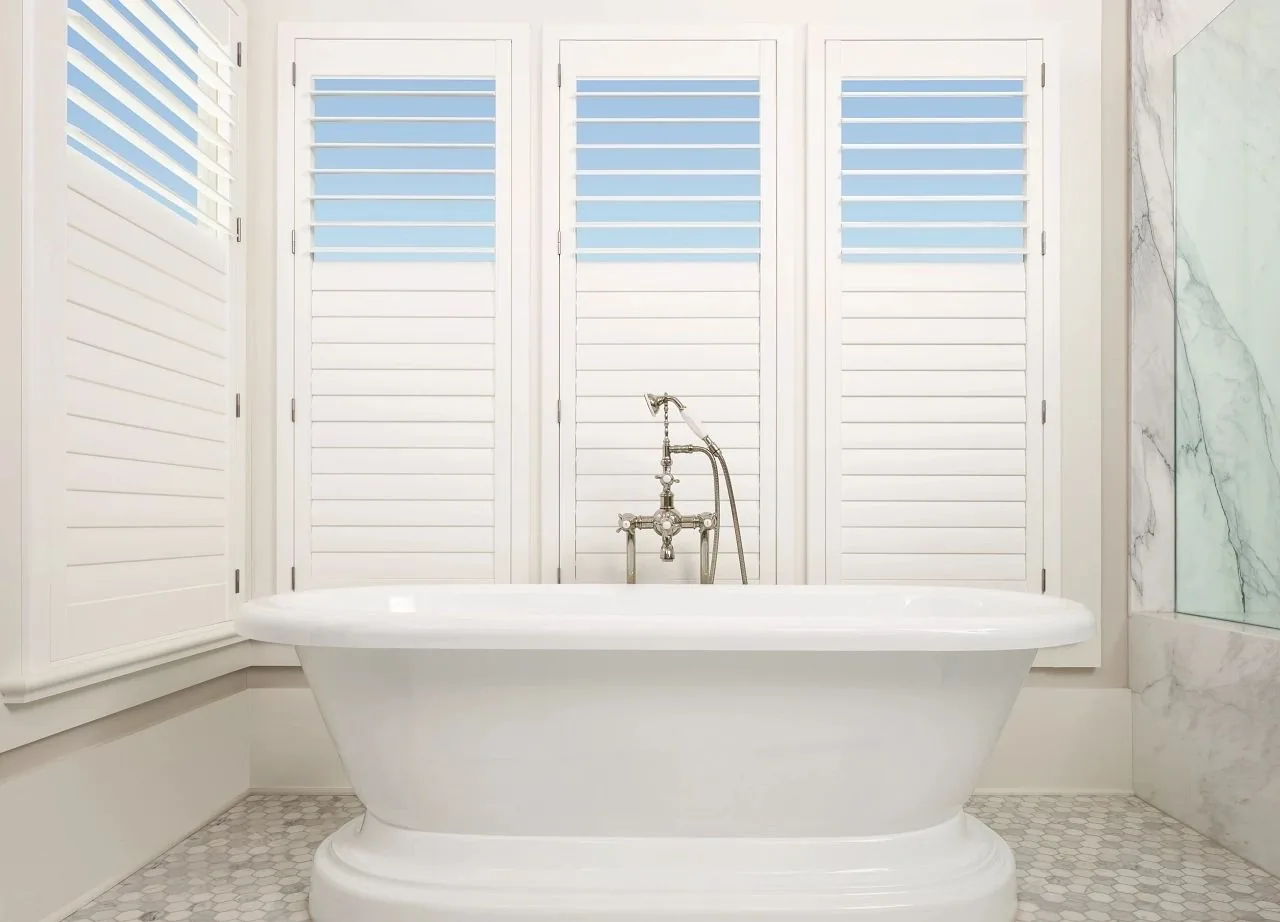
The blinds that are easiest to clean are faux wood blinds and poly (vinyl composite) shutters: their smooth, hard surfaces wipe clean with a damp cloth, shrug off Houston humidity, and give dust and pollen nowhere to hide. Among shades, smooth roller shades are easiest. Fabric cellular and Roman shades take gentler care, and heavy drapery collects the most dust. Here is the full ranking, with how to clean each one.
How easy each window covering is to clean
| Covering | How to clean | Holds dust | Humidity |
|---|---|---|---|
| Poly shutters | Wipe with a damp cloth | Very little | Excellent |
| Faux wood blinds | Wipe with a damp cloth or mild soapy water | Little | Excellent |
| Roller shades | Vacuum brush or spot clean | Little | Good |
| Real wood blinds | Dry dust, keep water off | Little | Fair |
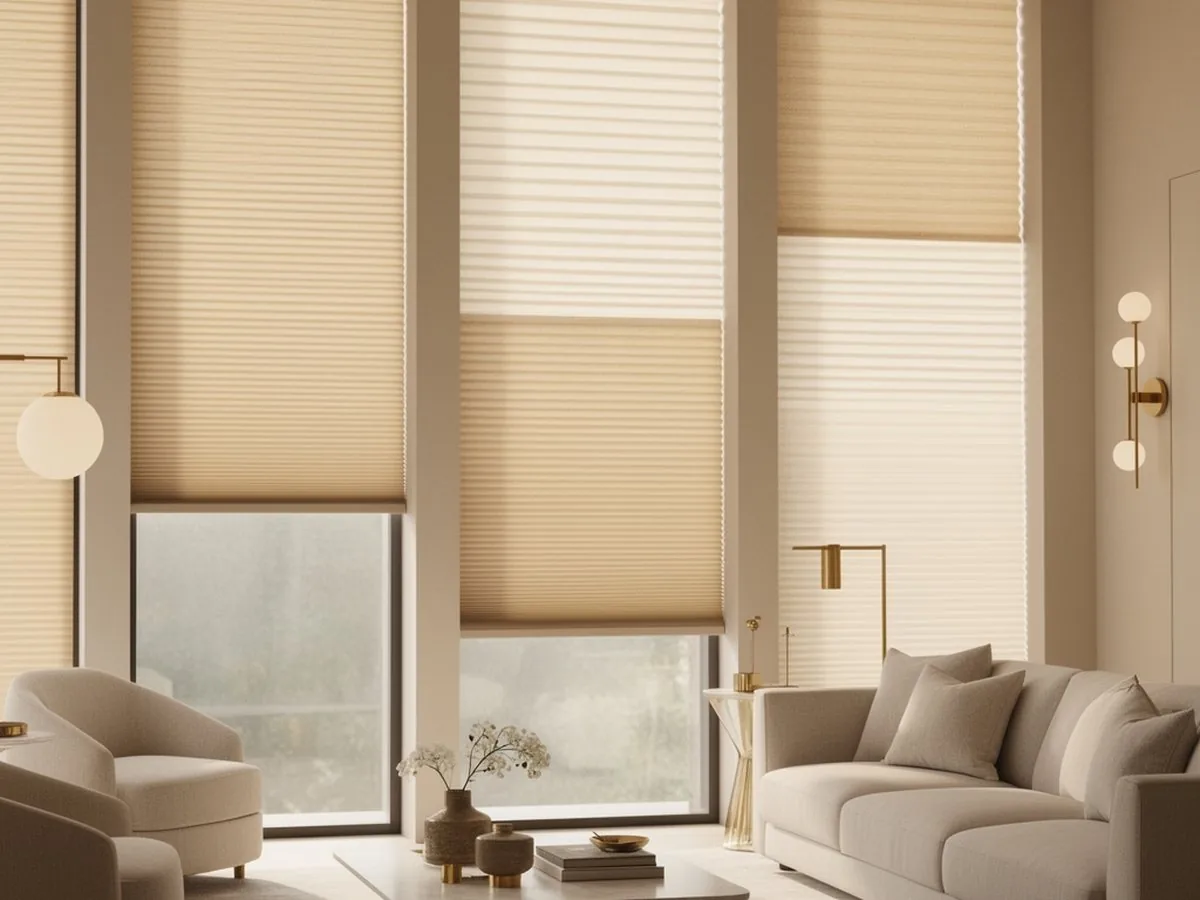
| Cellular shades | Gentle vacuum, never soak | Moderate | Good |
| Roman shades, woven woods | Vacuum, spot clean | Most | Fair |
Ranked: easiest to hardest to clean
1. Poly or vinyl composite shutters: wide louvers, hard surface, wipe each one with a damp cloth. 2. Faux wood blinds: smooth slats that wipe clean and tolerate moisture, which is why they suit kitchens and bathrooms. 3. Roller shades: a smooth flat face that vacuums or spot cleans easily. 4. Real wood blinds and shutters: easy to dust, but keep water away from the finish. 5. Cellular shades: dust collects in the folds, so vacuum gently with a brush attachment. 6. Roman shades and woven woods: soft folds and textured weaves hold the most dust of any shade.
What makes a covering low-allergy
The best coverings for allergies have smooth, wipeable surfaces that do not trap dust and pollen, and they are easy to clean often. Heavy fabrics, deep pleats, and dense weaves tend to hold more dust, while hard surfaces and simple shapes release it easily. Choosing a wipeable material is the single biggest factor in a lower-allergen window.
The easiest to clean: shutters and faux wood
Polysatin shutters and faux wood blinds are the champions here, a quick wipe with a damp cloth removes dust, pollen, and grime in seconds, and their smooth surfaces do not harbor allergens. They also resist the Houston humidity that can lead to mildew in fabrics. For allergy sufferers and busy households, they are the low-maintenance gold standard.
Wipeable shades
Among fabric shades, smooth roller shades are the easiest to keep dust-free. Cellular shades work too if you vacuum them regularly, but their fabric is not a wipe-down surface, so they suit drier, lower-dust rooms. These give you a soft look with far less allergen buildup than drapery or shaggy textiles.
What to be cautious with
Heavy drapery, deeply textured romans, and dense woven fabrics look beautiful but collect the most dust and are the hardest to clean, worth avoiding, or reserving for low-priority rooms, if allergies are a real concern. Corded blinds also have more nooks that trap dust than clean cordless designs.
Kitchens, bathrooms and Houston humidity
Moisture changes the answer. In a kitchen, cooking residue settles on every surface, so a covering you can wipe with mild soapy water, like faux wood blinds or poly shutters, saves real time. In bathrooms and laundry rooms, Houston humidity can warp real wood and encourage mildew on fabric, so moisture-resistant faux wood or poly shutters are the safer choice. Save fabric shades for drier rooms.
How to keep them clean with little effort
A quick dust every week or two keeps buildup from turning into a big job. For slats and louvers, close them flat and wipe or dust from top to bottom, then turn them the other way and repeat. For roller and cellular shades, lower them fully and use a vacuum brush attachment on a low setting. Cordless lift systems help too: with no dangling cords there are fewer parts to collect dust.
A cleaner, easier home
We will help you choose coverings that cut your cleaning time and keep allergens down, especially in bedrooms and living areas, with free measuring and installation across Greater Houston. Call or text (832) 772-7137.
Ready for a free in-home estimate?
We’ll measure, recommend the right options for your home, and give you an honest quote, with free installation included. Already know your sizes? Order online and we’ll send a free quote within 24 to 48 hours.