
Shutter Materials: Wood vs. Poly vs. Composite
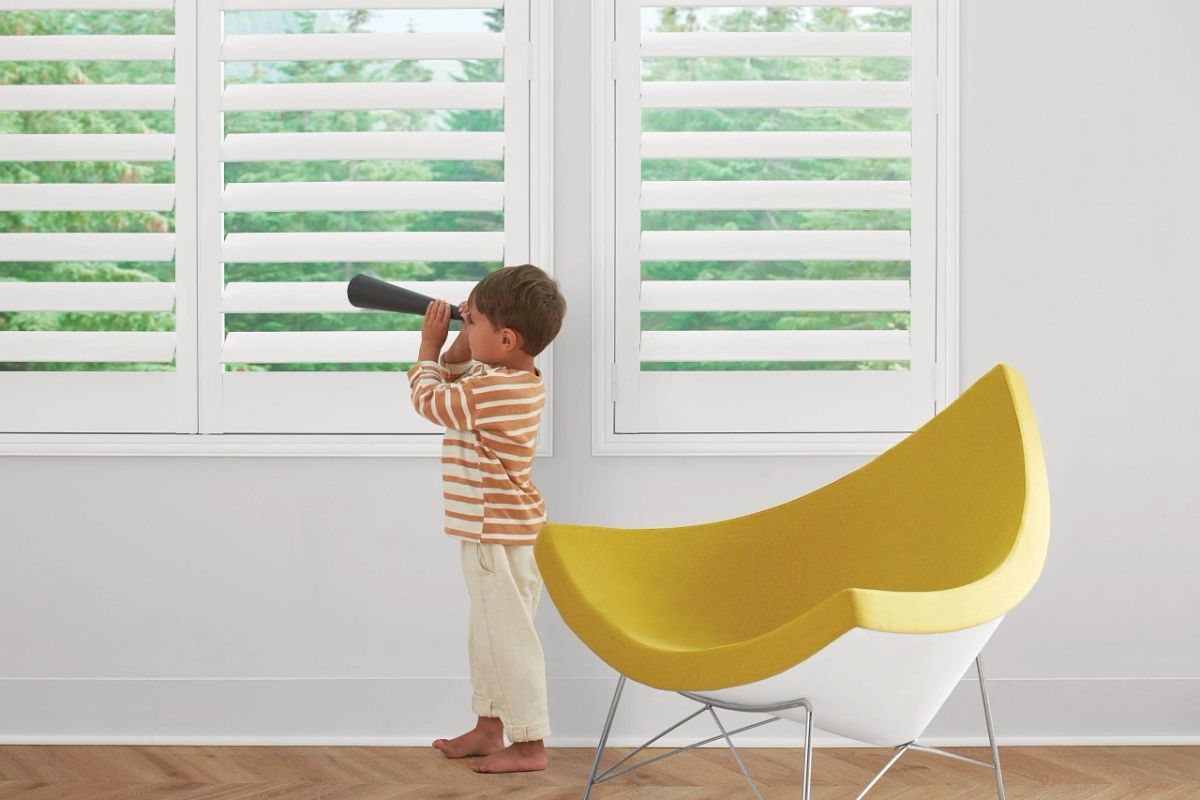
All plantation shutters look similar, but they are made from very different materials, and the material decides how they hold up, especially in Houston’s heat and humidity. Here is how real wood, polysatin, and composite shutters compare, and which one usually wins here.
Shutter materials compared
| Material | Moisture resistance | Best for |
|---|---|---|
| Polysatin (poly) | Waterproof | Baths, kitchens, sun-facing, most rooms |
| Real wood | Poor | Dry rooms, very wide windows, natural grain |
| Composite | Good | Mid-budget, durable middle ground |
Real wood shutters
Real wood shutters are lightweight, can span wide louvers, and have a genuine natural grain that stain lovers prize. But wood is vulnerable to Houston’s conditions, humidity and moisture can warp, crack, and discolor it over time, especially in bathrooms, kitchens, and sun-facing windows. Wood is beautiful, but it demands the right, drier location to stay at its best.
Polysatin (poly) shutters
Polysatin shutters, like Hunter Douglas Palm Beach, are made from a durable synthetic that is fully waterproof and built for tough conditions. They will not warp, crack, fade, or discolor in heat and humidity, they wipe clean easily, they resist pets and scratches, and they carry a strong warranty. For most Houston windows, and essential for bathrooms and kitchens, poly is the standout choice.
Composite and faux wood shutters
Composite shutters use an engineered wood core, often wrapped in a durable coating, giving more moisture resistance than solid wood at a mid-range price. They are heavier than wood and poly, which can limit louver spans on very wide windows, but they are a solid, durable middle option for many rooms.
How to choose for Houston
In our climate, moisture resistance is the deciding factor. For bathrooms, kitchens, and any humid or sun-baked window, polysatin is the clear winner, waterproof, durable, and long-lasting. Real wood suits dry, protected rooms where you want its natural grain, and composite is a reasonable middle ground. For most homes, poly does the most jobs best.
See and feel the materials
The differences are easy to judge in person, the weight, the finish, the feel. At your free estimate we bring wood and polysatin shutter samples so you can compare and choose the right material for each room, with free installation. Call or text (832) 772-7137.
Ready for a free in-home estimate?
We’ll measure, recommend the right options for your home, and give you an honest quote, with free installation included. Already know your sizes? Order online and we’ll send a free quote within 24 to 48 hours.
 Blinds vs. Shades vs. Shutters: Which Is Right for Your Home?
 Child-Safe & Cordless Window Coverings: What Parents Need to Know